

 LinkedIn
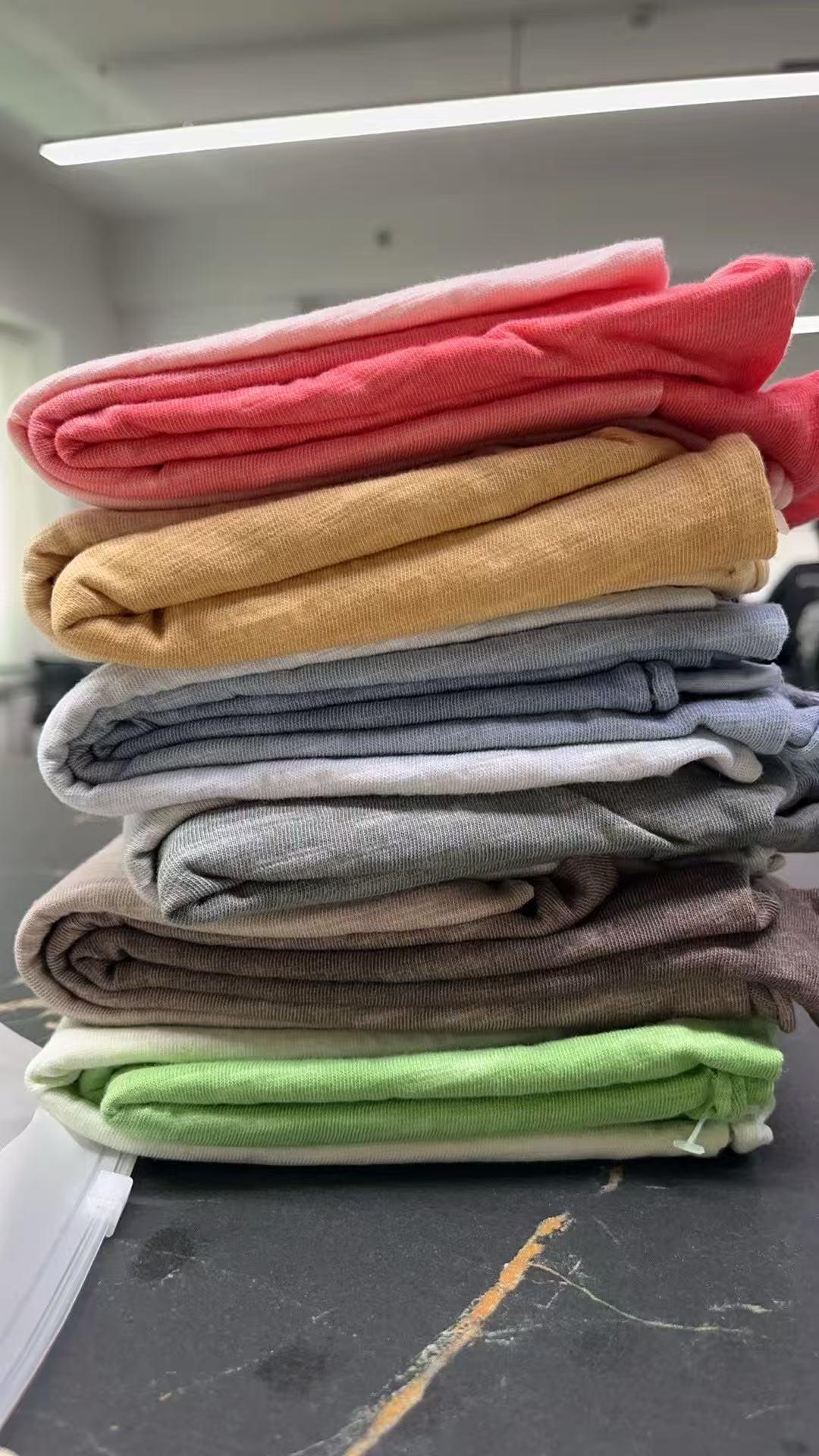
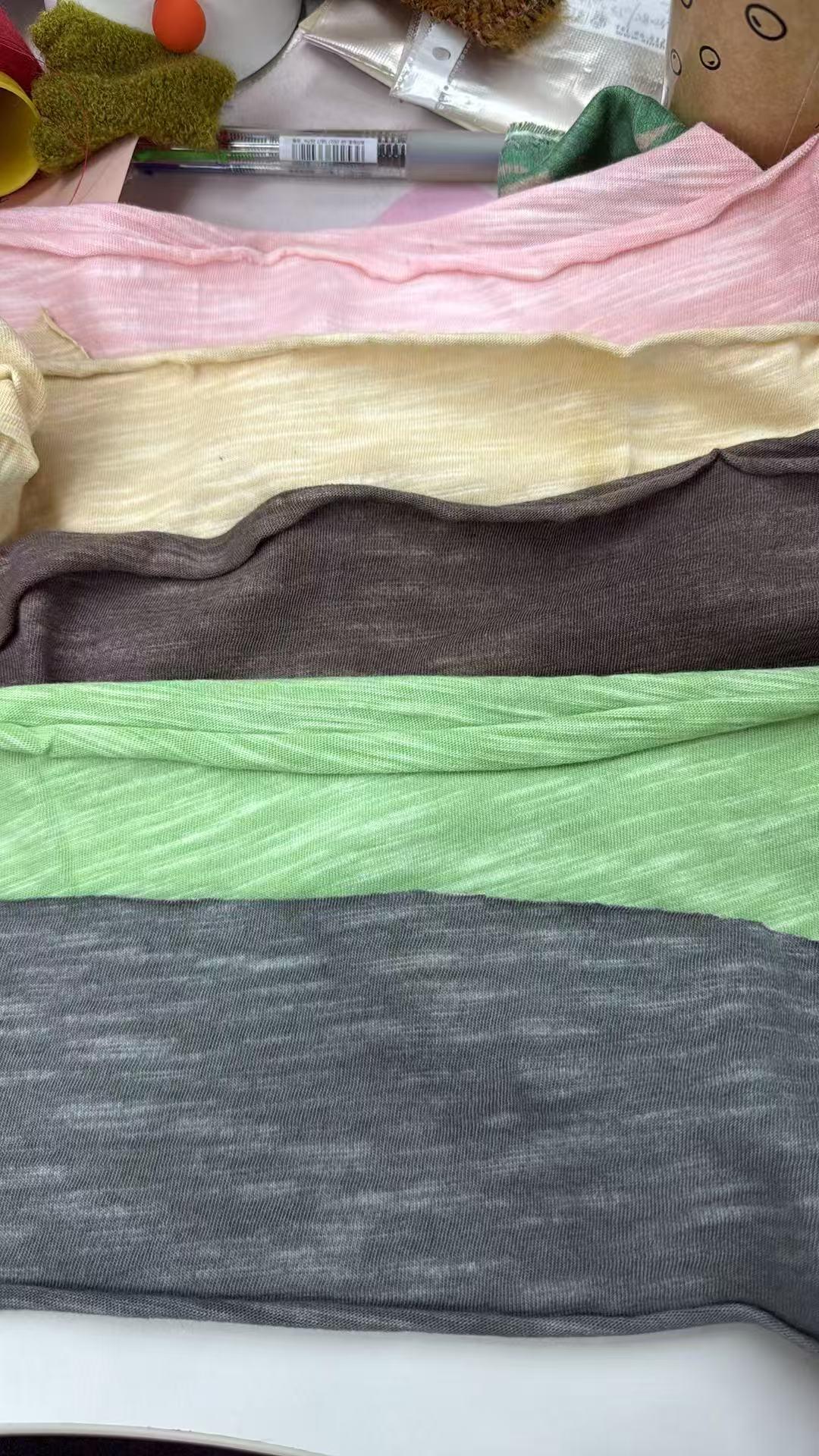
Green Cosmos produced a batch of larger natural-dye samples on slub cotton fabric for a customer. These initial samples achieved the desired color and texture and became the reference for further development.
When the customer later supplied fabric intended for production, however, we found it difficult to reproduce the initial sample effect.
To find a solution, we returned to the fabric itself, arranged sample testing and used the reports to help identify suitable slub cotton. Material reselection and further dyeing trials ultimately produced the effect the customer wanted.
The initial samples established the development direction
The initial trials used slub cotton supplied by the customer. Natural dyeing produced a range of colors while retaining visible slub texture in the fabric.
The customer wanted to retain the overall appearance created by both color and fabric texture. Those first samples therefore became the reference for comparing later fabric deliveries and dyeing results.
The later fabric did not reproduce the original effect
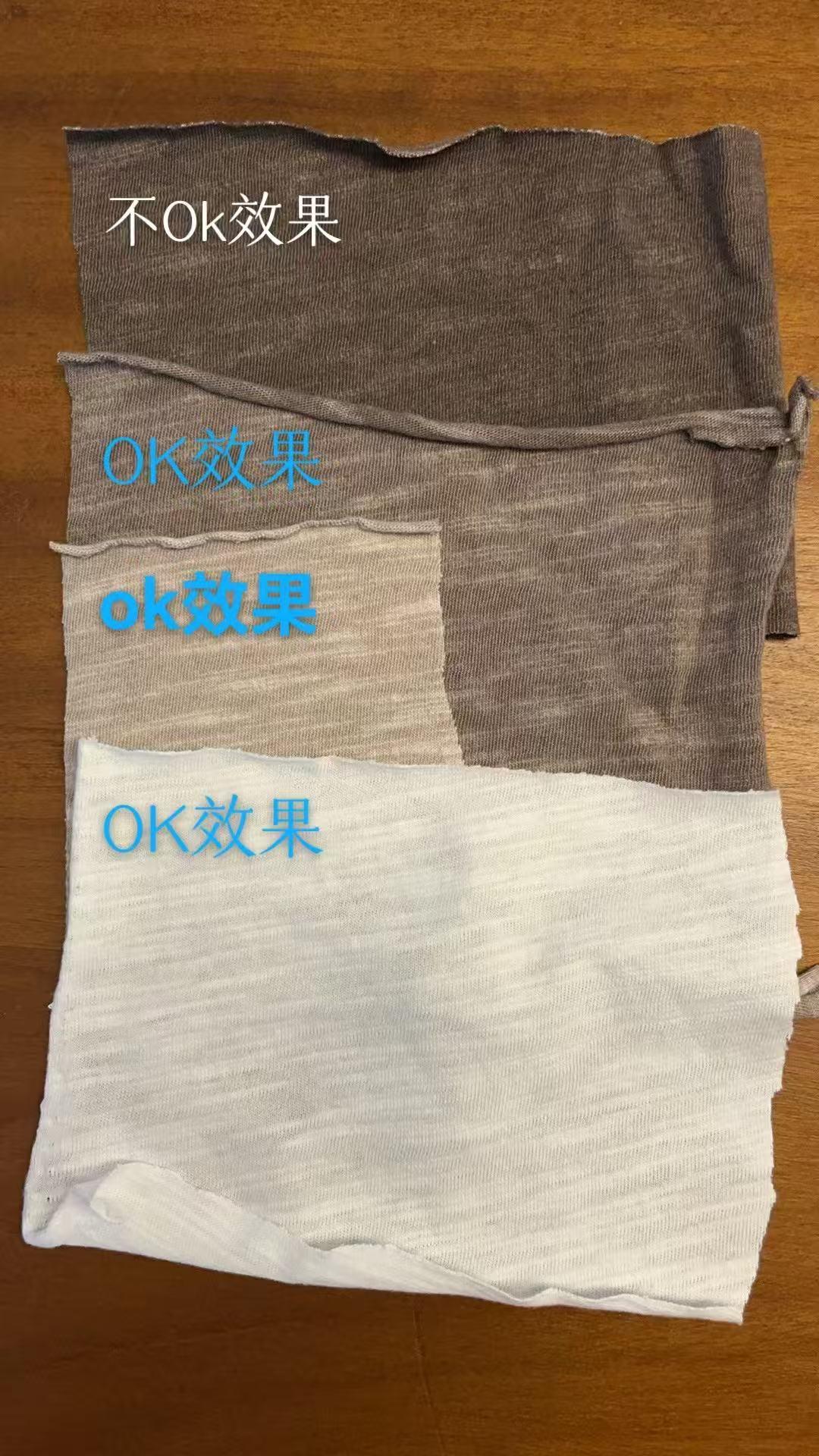
The customer subsequently supplied fabric intended for production. During dyeing, we found that this fabric was difficult to bring to the same visual effect as the first samples.
The comparison photograph records differences in fabric appearance. Its original “OK” and “not OK” labels show which effects matched the development direction and which had not met the requirement.
This clarified the next task: understand the material and yarn characteristics of the fabric that had produced the desired effect, then use that information to find a suitable fabric for further development.
Testing made the material-selection criteria more specific
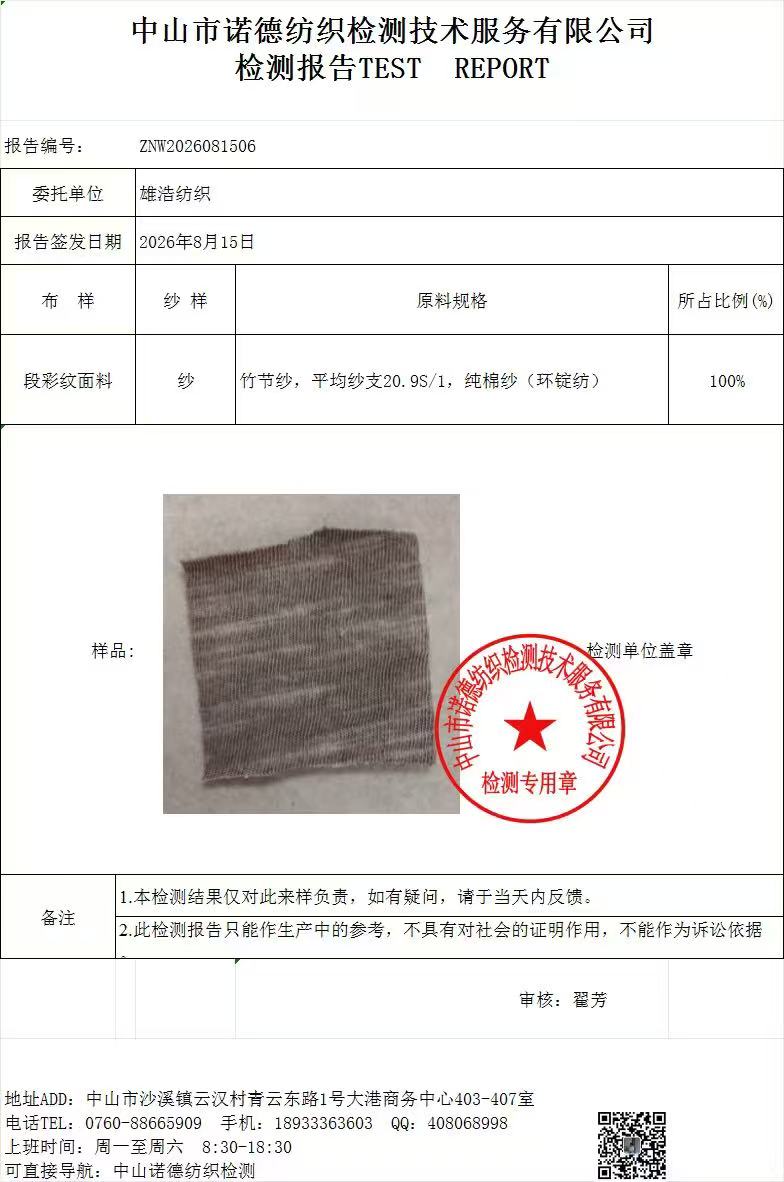
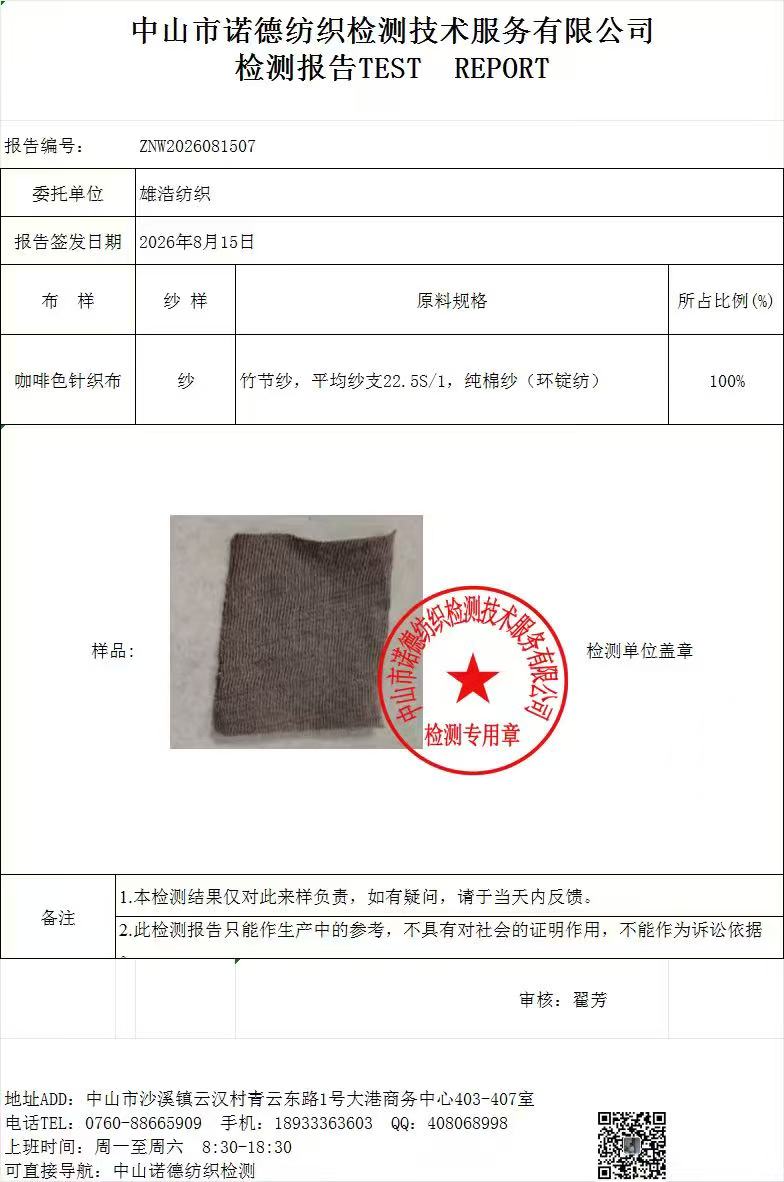
We arranged testing of the relevant samples to investigate the differences and check fiber composition and yarn specifications.
Both reports describe the submitted yarn samples as cotton slub yarn produced by ring spinning, and provide information including the respective average yarn counts.
The information helped turn a broad request for slub cotton into more specific, checkable material requirements. Fabric names and visual appearance alone were not enough to confirm whether two fabrics could produce similar dyeing results.
The reports supported material reselection, while actual dyeing trials were still needed to confirm the fabric’s suitability. The reports did not establish any single parameter as the sole cause of the different results.
Reselecting fabric and validating it through dyeing trials
Using the reports as a reference, we looked for suitable slub cotton fabric and continued dyeing trials.
This time, fabric selection had a more specific reference. We considered the testing information alongside actual fabric samples, then assessed whether natural dyeing on the reselected material could approach the direction established by the first samples.
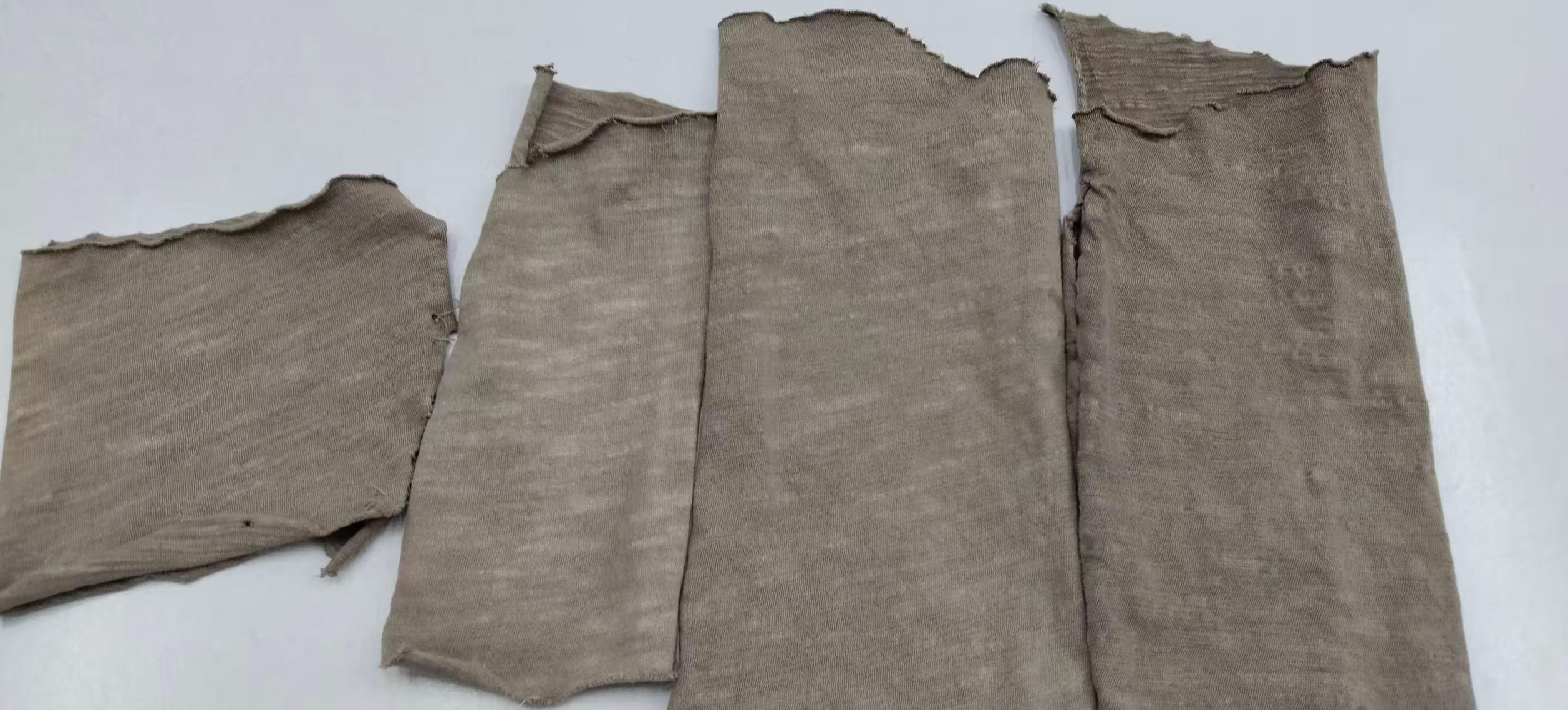
The trials on the reselected fabric ultimately produced the effect the customer wanted. The photograph below documents those samples and the outcome of the investigation and renewed development.
Making material verification part of dyeing development
The project reinforced the importance of checking the relationship between the fabric used in initial sampling and material supplied for production.
When later fabric cannot reproduce the reference effect, material information needs to become part of the investigation, followed by dyeing trials to confirm suitability. This project followed that path from an appearance mismatch through testing, fabric reselection and sample confirmation.
If your natural-dyeing project has an approved sample but later fabric produces a different effect, share the original reference sample, the later material and available specifications with Green Cosmos. We can use the actual samples to discuss the material information to check and a direction for further trials.
Turn this route into a project
Garment dyeing starts at 100 pieces of one style in one color, with sampling in about 5 calendar days from material arrival. Tell us the fiber, target color, and quantity, and we can discuss the next step.