Technology
What we check before a natural color moves forward: material suitability, process conditions, and performance on the intended textile.
01 / Material evaluation
Understand the resource before extracting color.
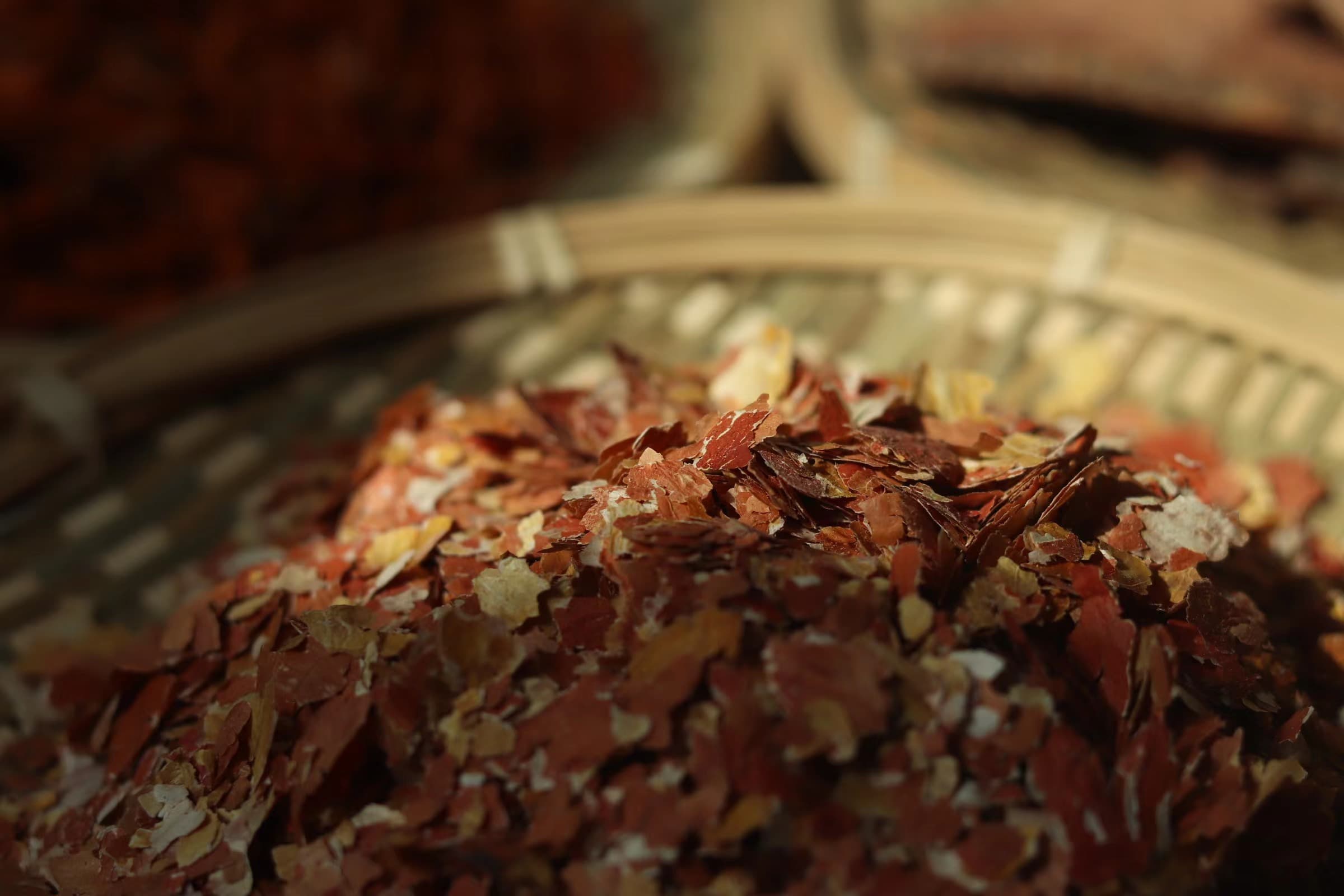
Plant materials differ in form, condition, and the color they may offer. We begin by discussing origin, available material, intended fiber, and the product goal.
We identify what is known about supply and condition, what remains uncertain, and which material questions must be answered before extraction trials.
02 / Process exploration
Build a route that can be evaluated.
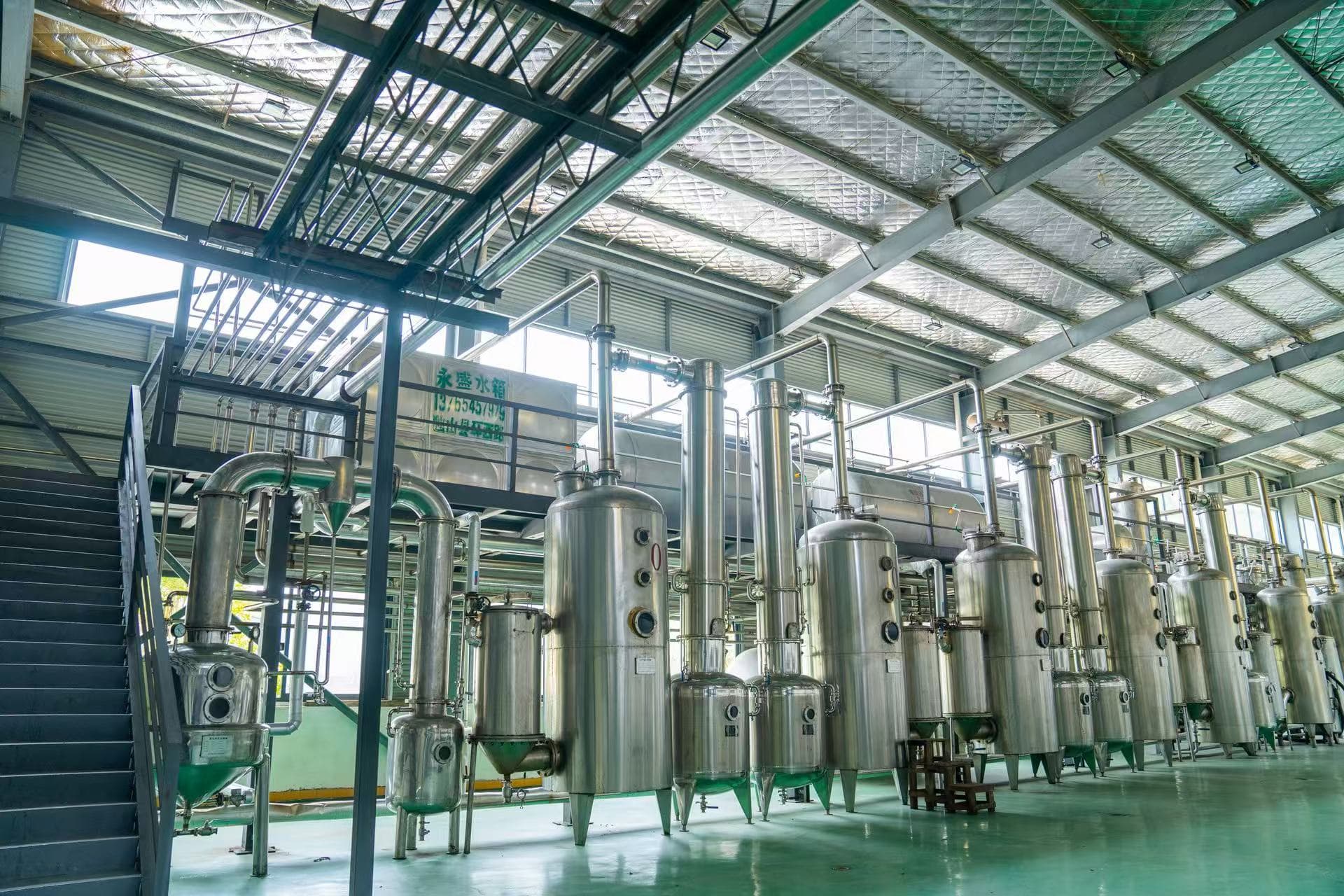
Extraction is one part of the work. Dye condition, process choices, and fiber compatibility also need attention before a route can move into a textile brief.
With production and textile partners, we document trial conditions and compare outcomes so the next adjustment is based on evidence rather than appearance alone.
03 / Textile sampling
Let samples guide the next decision.
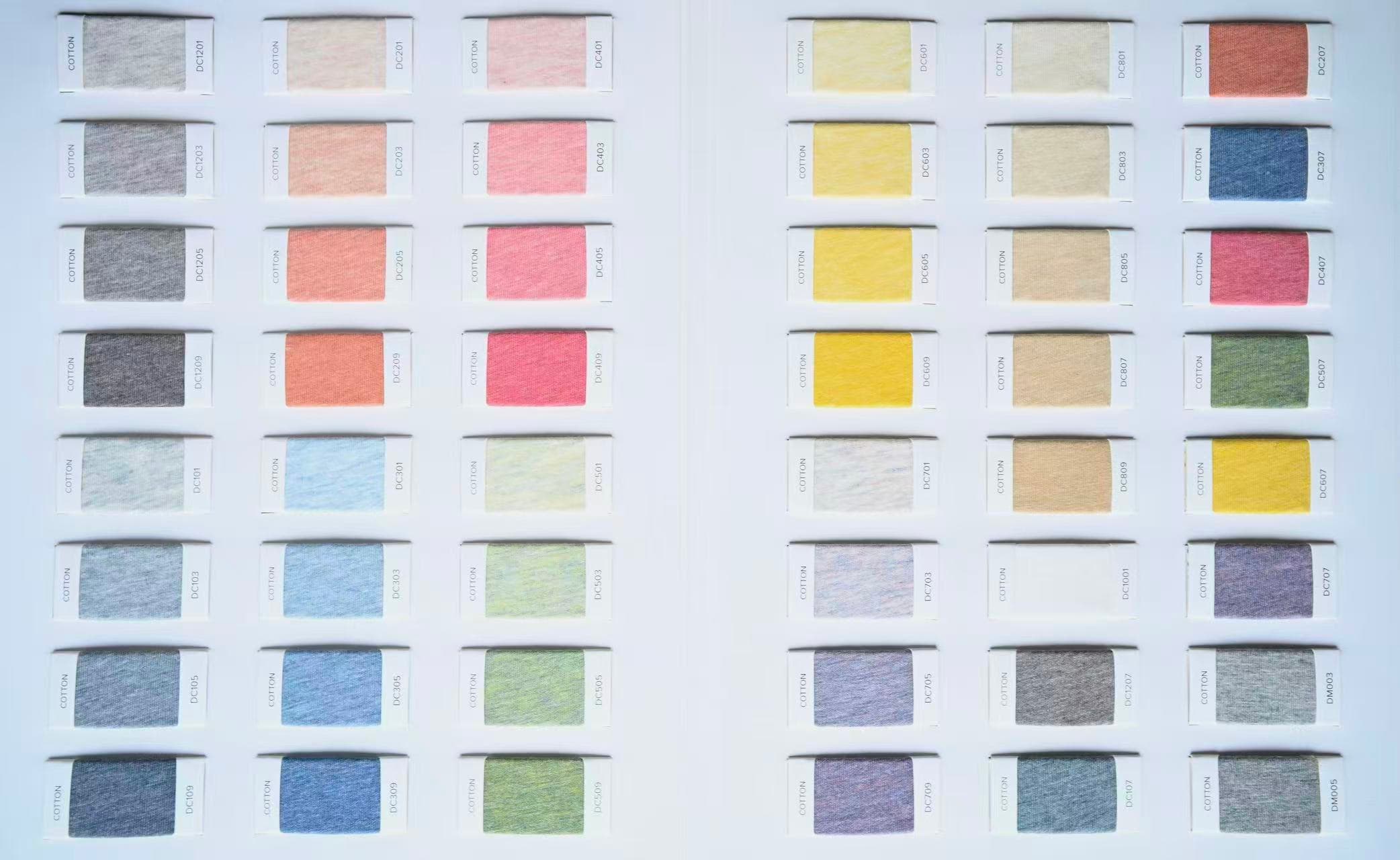
Color is reviewed on the intended yarn or fabric rather than assumed from the dye alone. Samples reveal differences in shade, handle, and fit with the product brief.
Requirements such as wash or light fastness are defined for the specific use and assessed through appropriate testing. No single sample represents a guaranteed production result.
Bring us your material brief.
We can discuss the route, the unknowns, and a sensible first sample.