

 LinkedIn
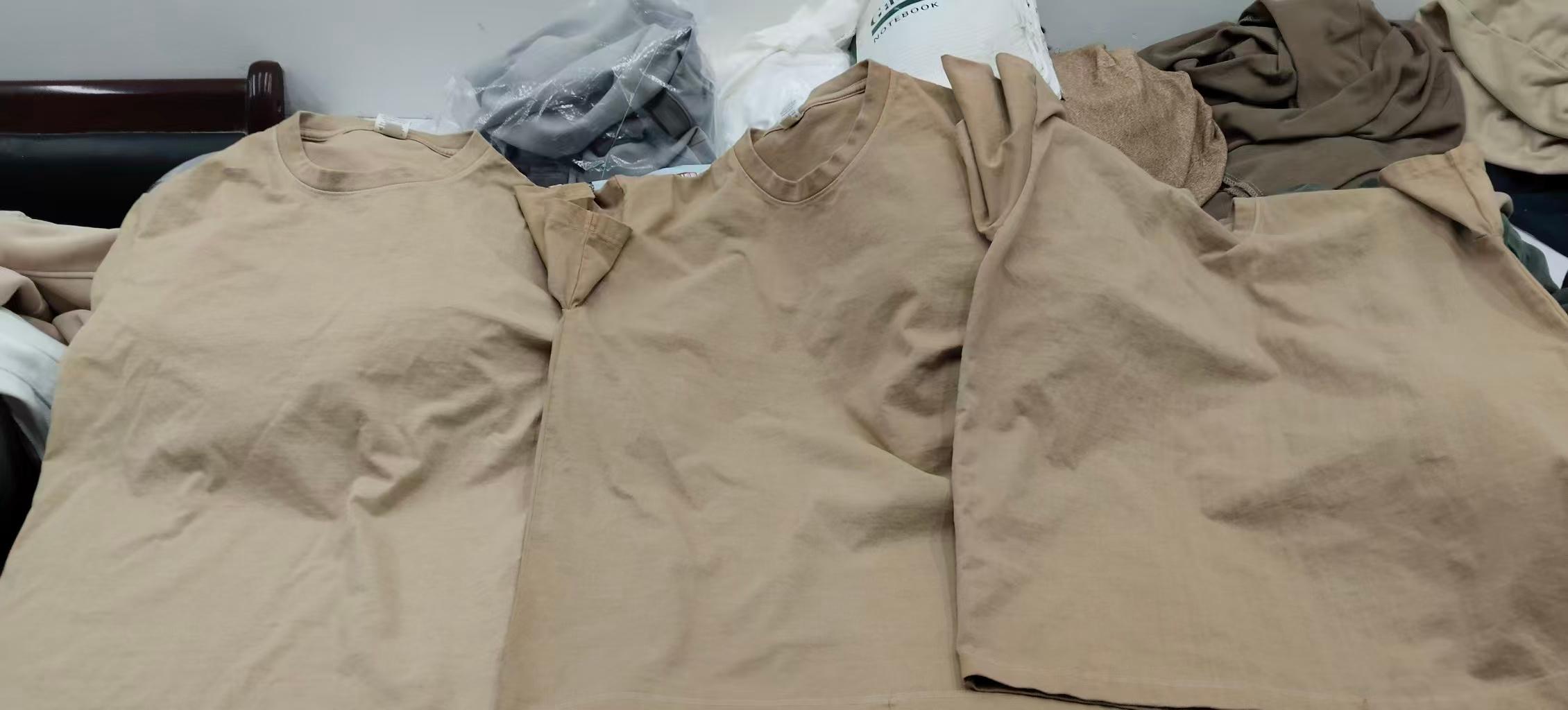
In this Green Cosmos garment-dyeing comparison, dye extracted from coffee grounds produced the visual result that best matched our expectations. Coffee grounds also had the lowest raw material cost among the three sources compared. For customers interested in this sample color and mindful of cost, it is therefore our first recommendation for sampling.
The recommendation comes from an application trial under the same conditions. We used dyes extracted from coffee husk, coffee grounds and fermented tea on garments of the same material and style, applying the same dyeing process to compare their practical results.
Comparing three dyes under the same conditions
Raw material selection is a starting point in botanical dye development. Actual dyeing trials help us judge how a dye looks on garments and how closely it matches a customer’s intended color.
We kept garment material, style and dyeing process the same so we could compare the three dyes under the same application conditions. Coffee husk and coffee grounds both come from coffee, but each needed its own assessment in this application. Fermented tea dye provided a further reference for material selection.
The photograph documents garment samples from the three extracted dyes using the same material, style and dyeing process. It records this trial; physical samples remain the reference for actual color.
Coffee grounds combined our preferred result with lower raw material cost
After comparing the garments, our team judged coffee grounds dye to have the best overall visual dyeing result in this trial.
The result also offered a cost advantage in material selection. Coffee grounds had the lowest raw material cost of the three pigment sources compared. This gives us a clearer basis for recommending a starting point when customers like the sample color and want to manage costs.
This advantage refers to raw material cost. A project’s dyeing quotation still needs to account for dye usage and processing requirements. These findings apply to the material and process used here; a different fabric or target color requires its own sampling confirmation.
Using daily trials to guide customer material selection
Comparisons like this are part of our daily dye application development. After selecting usable dyes, we continue testing their practical dyeing results to find ways of using them that suit specific requirements.
Customer priorities vary. Some projects prioritize the visual color result; others need to get as close as possible to a target shade within a set budget. Existing comparison trials help us choose an informed starting point before adjusting it to the customer’s fabric and requirements.
This trial provides a specific material-selection reference. For projects that favor this sample color and also prioritize cost, we would recommend coffee grounds dye first, then confirm the result by sampling on the customer’s actual material.
If you are developing a botanical-dyed product using coffee or tea sources, share your target color and fabric information with Green Cosmos. We can consider your budget and recommend a dye option for sampling.
Turn this route into a project
Garment dyeing starts at 100 pieces of one style in one color, with sampling in about 5 calendar days from material arrival. Tell us the fiber, target color, and quantity, and we can discuss the next step.