

 LinkedIn
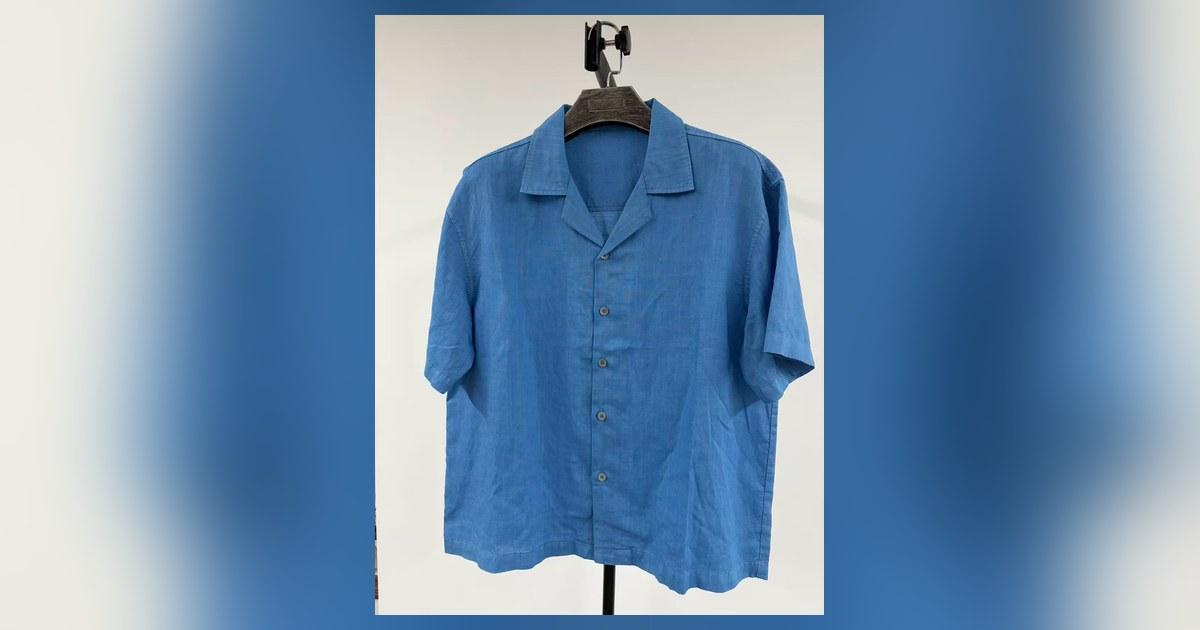
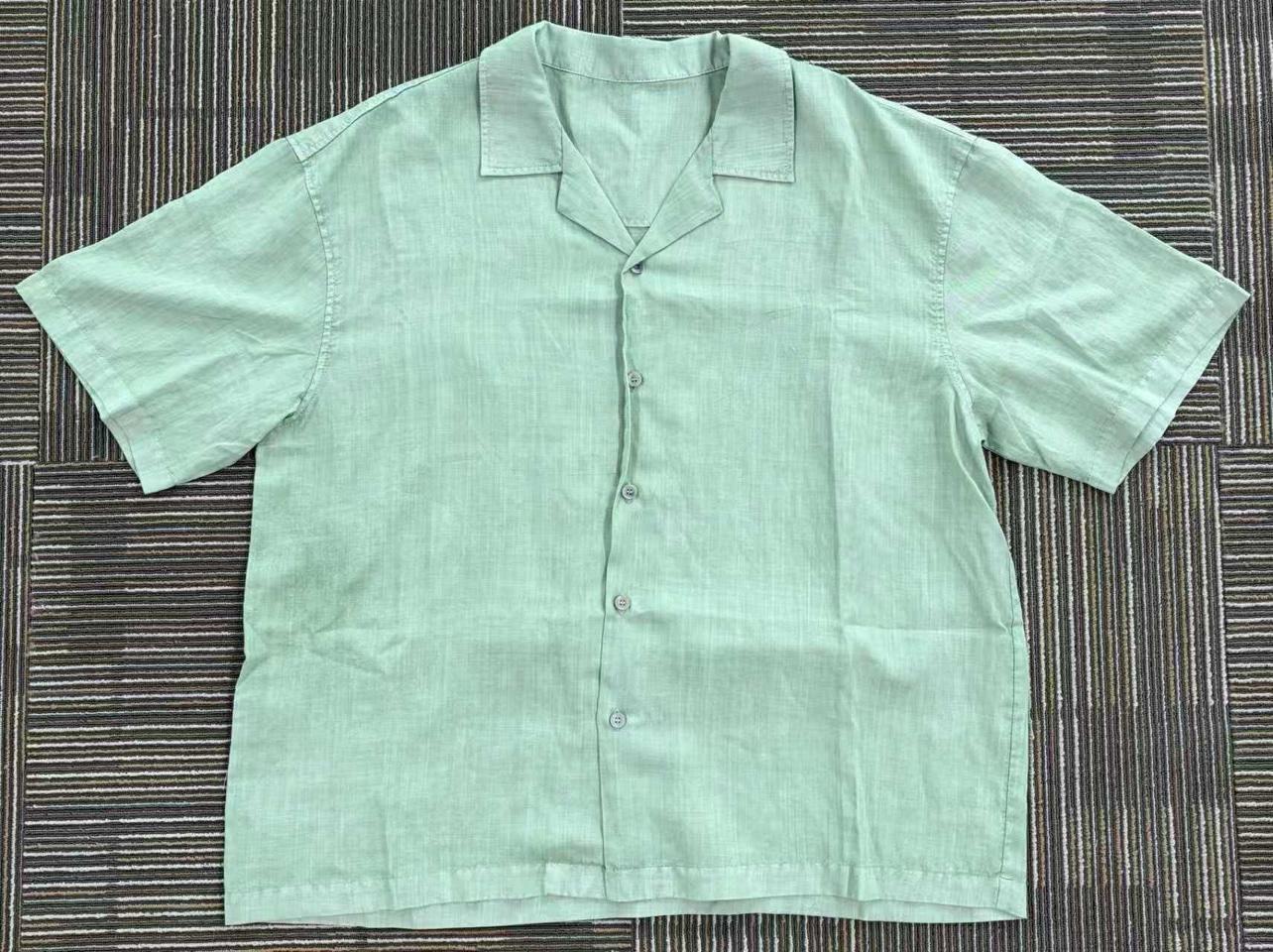
These two short-sleeve shirts come from Ancient Water, a bold experiment in combining a traditional Chinese material with a traditional Chinese dyeing craft.
The fabric blends traditional Chinese tussar silk with cotton. The colour comes from traditional Chinese plant dyeing, and the two shades themselves are traditional Chinese colours. Three traditions meet in a shirt that can be worn straight away, to see how far they can go together.
The brand: traditional Chinese dyeing for traditional Chinese clothing
Ancient Water is a Chinese brand devoted to natural Chinese aesthetics. Its philosophy is to use traditional Chinese dyeing techniques to make traditional Chinese clothing.
These two shirts are that idea in concrete form. Instead of chasing fashionable colours and cuts, they start from material, dyeing and colour, and let the garment itself express a Chinese aesthetic.
Cut and breathability: structured, and sharp on the body
Both shirts are short-sleeve camp-collar shirts with a structured silhouette. On the body, the fabric holds its shape instead of collapsing against the wearer, so the person wearing it looks sharp and put together. That was the first thing we noticed when making these samples.
The second quality is breathability. The tussar silk and cotton blend breathes far better than a conventional shirt fabric. You can feel that as soon as you put it on, which makes it well suited to warm weather.
Colour: calm, grounded, Song-style Chinese aesthetics
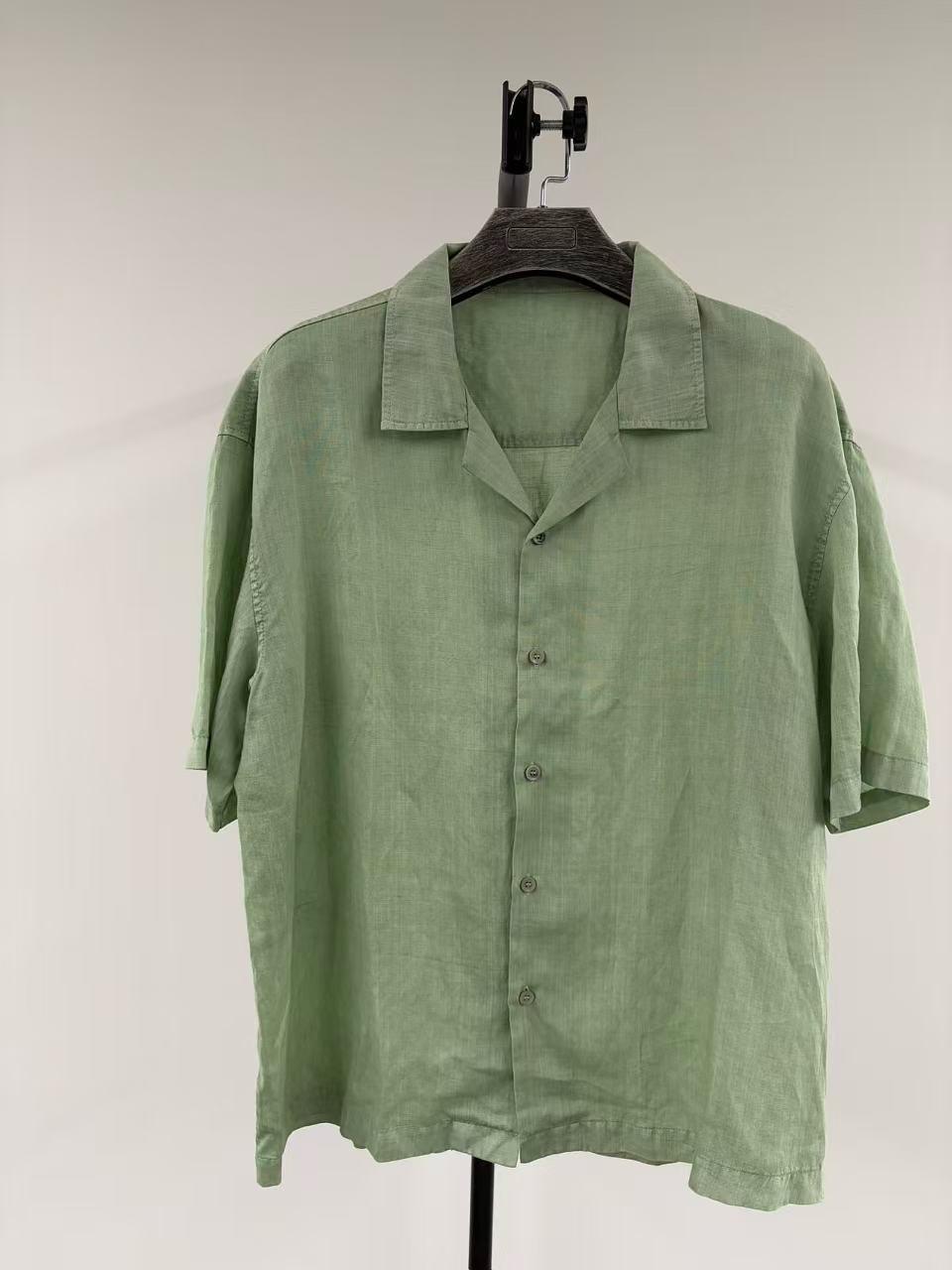
The third quality, and the most surprising part of this experiment, is the colour. Traditional Chinese plant dyeing on a traditional Chinese tussar silk fabric produces a very fine result. The colours do not jump out or shout; they settle, calm and grounded, with the feeling of Song-style Chinese aesthetics, the character of traditional Chinese colours.
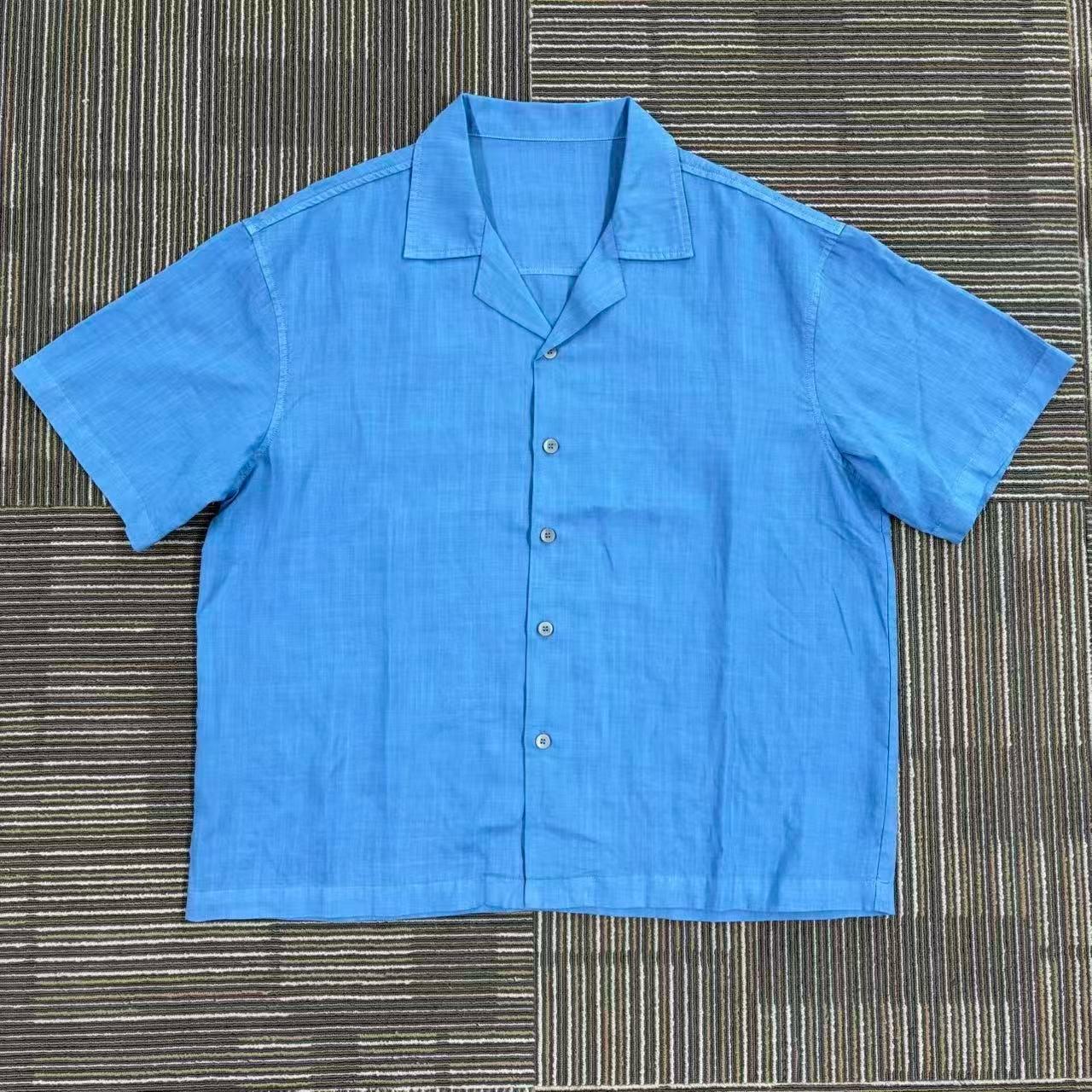
We made two colours: one blue, one green, both traditional Chinese colours. The blue is calm, the green is soft, and together they show that plant dyeing performs consistently on this fabric, not as a one-off result.
From yarn to a garment you can wear
We previously carried out a plant-dyeing experiment on tussar silk yarn, to preserve the material's texture for hand knitting. This time, we took the same thinking one step further and made finished garments.
Material, dyeing and cut have to work together for a garment to truly succeed. These two samples show what a tussar silk and cotton blend with plant dyeing can do as finished clothing.
For designers and brands, this fabric and dyeing approach can be an option for developing summer shirts. If you would like to take it further with sampling or development, we would be glad to talk.
Turn this route into a project
Garment dyeing starts at 100 pieces of one style in one color, with sampling in about 5 calendar days from material arrival. Tell us the fiber, target color, and quantity, and we can discuss the next step.