
 LinkedIn
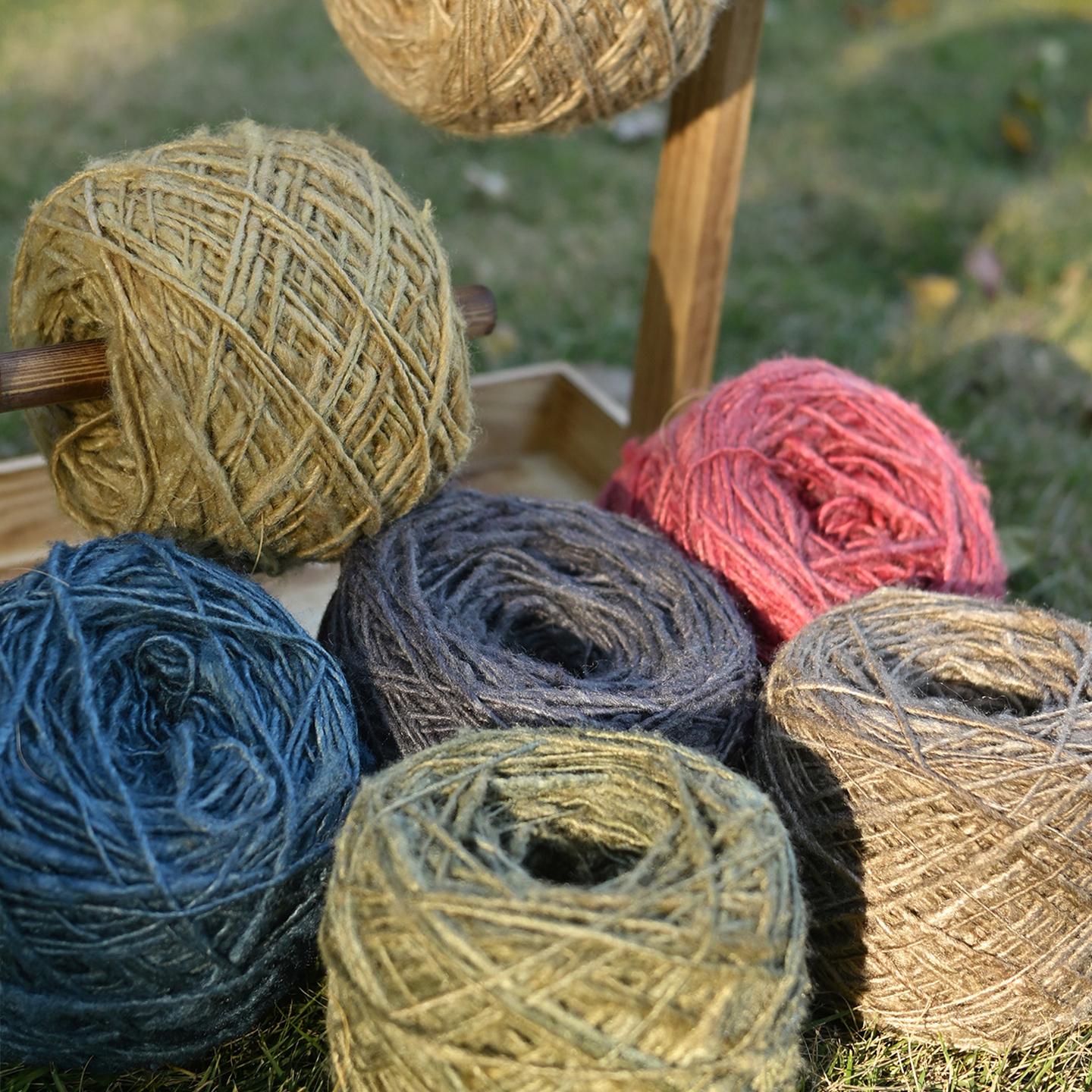
The appeal of a yarn comes from its color, the way it feels in the hand, and the character it brings to a finished piece.
For this experiment, Green Cosmos combined tussar silk yarn with traditional Chinese plant-dyeing techniques. We wanted to explore a range of colors while retaining the material’s distinctive texture, offering more possibilities for hand knitting.
Starting with the character of tussar silk
Tussar silk is one of the materials used in China’s silk tradition. The yarn used in this experiment has an uneven surface, visible fiber fuzz and a sheen that shifts subtly in the light. Together, these details give it a rustic, slightly untamed appearance.
That material character is what drew us to it. Its handle, texture and appearance provide a starting point for creative work. Our dyeing experiment began with a question: which colors would complement this texture?
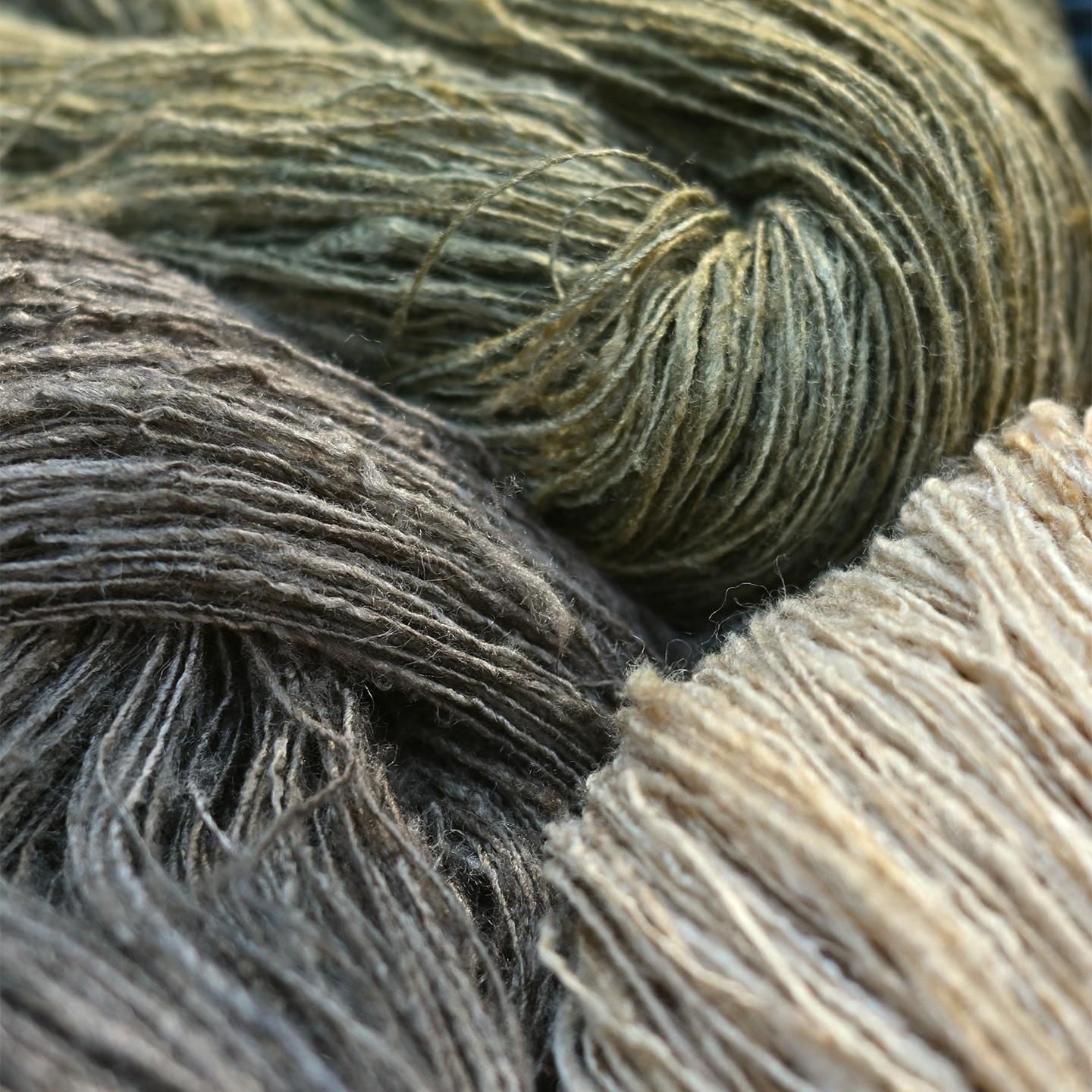
Bringing plant-derived color and yarn texture together
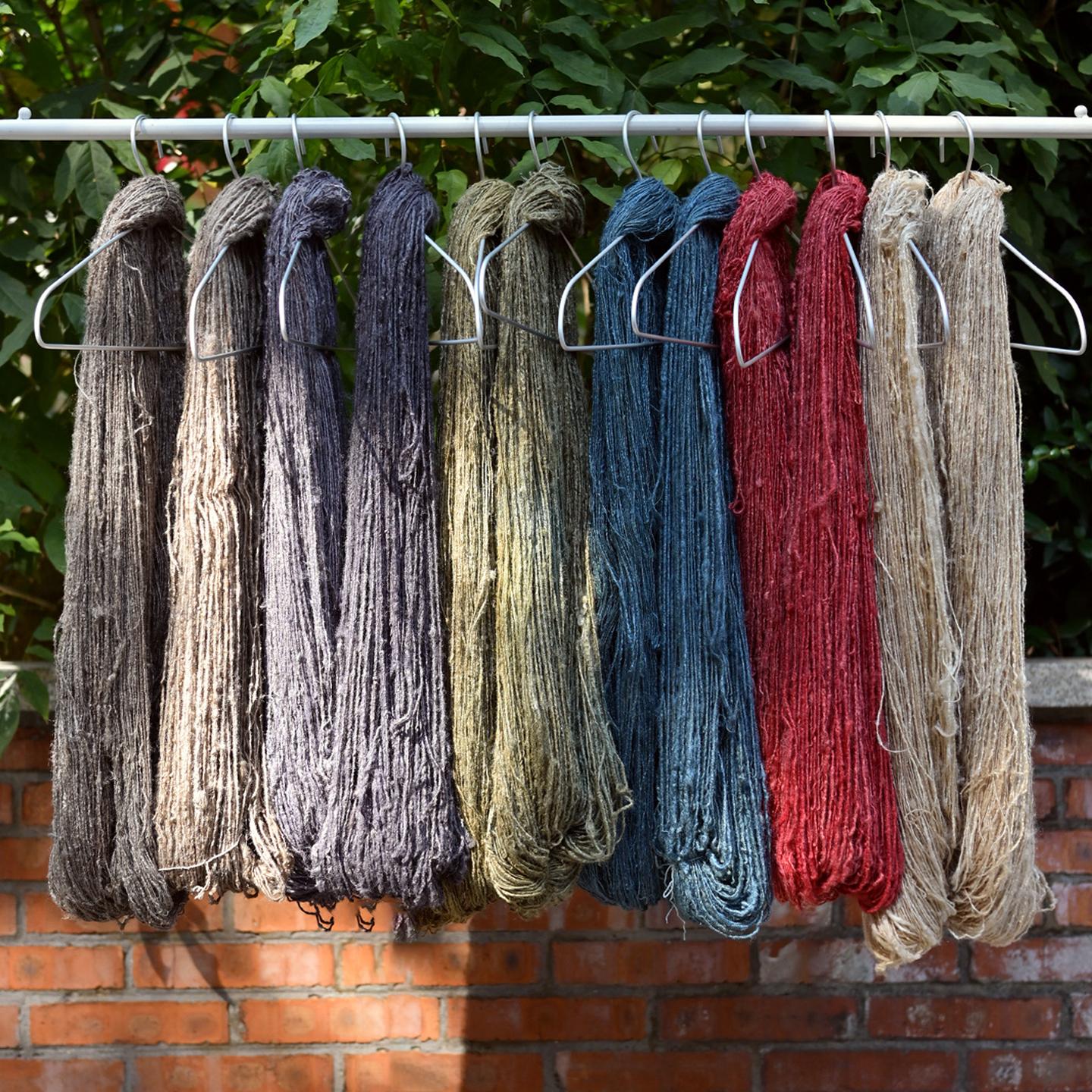
The plant-dyeing trials produced tussar silk yarn in several colors. The photographs show blues, reds, yellow-greens and gray-browns, with the yarn’s original texture remaining visible.
Hanging in skeins, the yarn displays the broader relationships between colors. Wound into balls, its uneven surface brings sheen and shadow together. The same material takes on different expressions.
For us, a satisfying dyeing experiment does more than produce a desired color. It should invite people to look closely, touch the yarn and imagine what they could make with it.
From a ball of yarn to winter handcrafts
These yarns also brought hand knitters to mind. Scarves, hats and gloves are possible directions for further development and knitting trials.
The combination of tussar silk texture and plant-derived color can give a piece a distinctive appearance. Yarn specifications, stitch choice and next-to-skin feel should guide the intended use, so the material’s character can work well in the finished item.
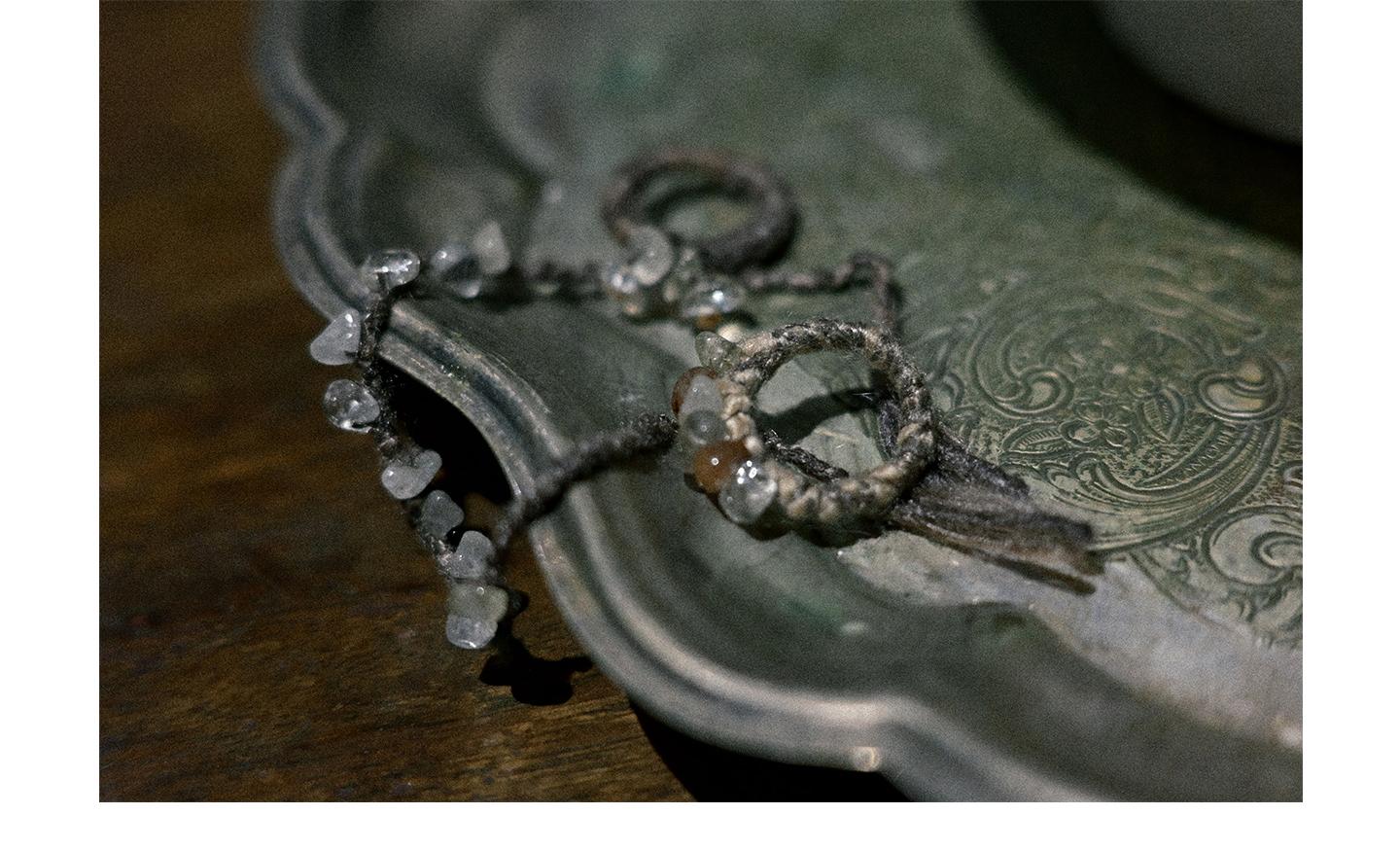
Beyond knitting, yarn can also be explored in small handcraft projects. The photographed combination of knotted cord and beads suggests another way to bring lines, colors and different materials together.
Offering customers materials with their own character
This tussar silk dyeing experiment showed us possibilities in combining a traditional material with traditional dyeing techniques.
We want to offer products that retain an interesting handle, texture and material character alongside color. Designers and handcrafters can use those qualities as the starting point for their own work.
From material selection and dyeing to potential applications, Green Cosmos will continue practical experiments to find suitable combinations of material and color, turning these explorations into creative options customers can use.
Turn this route into a project
Garment dyeing starts at 100 pieces of one style in one color, with sampling in about 5 calendar days from material arrival. Tell us the fiber, target color, and quantity, and we can discuss the next step.